

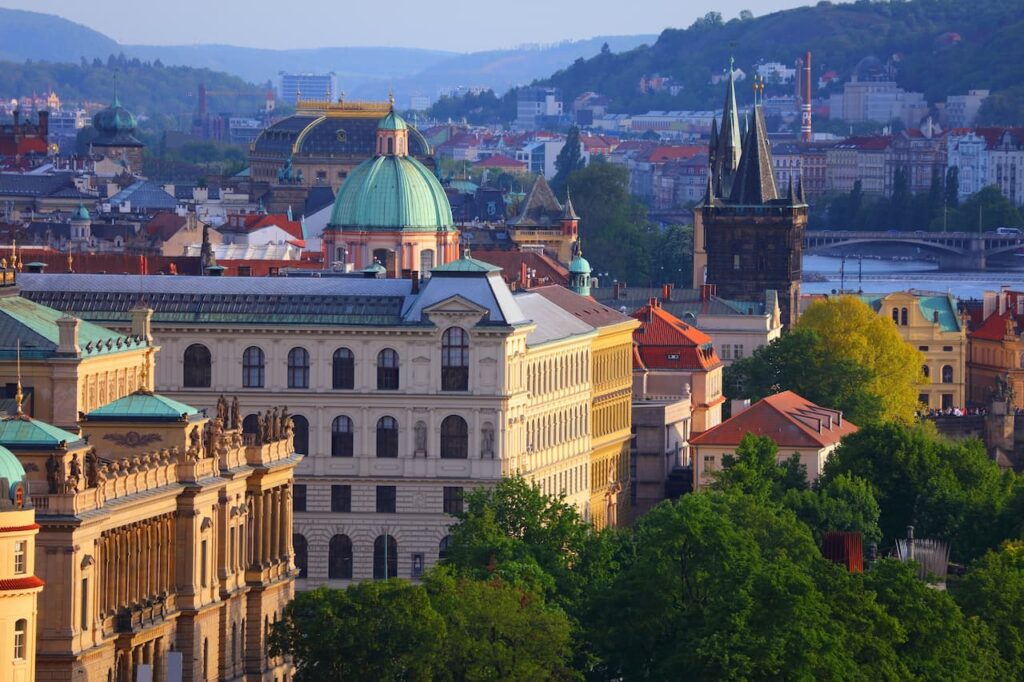
Nové Město, or the New Town of Prague, despite its name is a fairly old district of the Czech capital. It is a very large district, far more than the old Jewish Quarter or Staré Mesto.
In addition to an obvious tourist vocation, a strong commercial vein is present in these parts. There are many stores operating here not to mention accommodations and banks. The entire district has its hub in Wenceslas Square.
History of Nové Město
ID 344098411 © Tupungato | Dreamstime.com
After his coronation as king of Bohemia, ruler Charles IV decided to expand the boundaries of Prague, creating a new district on the opposite side of the Vltava River from the Old Town.
The goal was clear: to encourage the influx of merchants and manufacturing activities, making the New Town the commercial and artisanal engine of the capital.
Urban plans called for large markets in three central squares:
- Wenceslas Square, intended for the horse market;
- Charles Square (Karlovo náměstí), dedicated to the cattle trade;
- Hay Square (today’s Senovážné náměstí), for hay and grain.
Over the centuries, Nové Město was the scene of important historical events: the independence of Czechoslovakia in 1918, the Prague Spring in 1968, and the first steps of the Velvet Revolution in 1989 were proclaimed here. Even today, with its spacious boulevards and modern buildings, the district retains a unique mix of past and present.
What to see in Nové Město
Although the district has a bias toward commercial activities, its streets and alleys hold small and large artistic, historical and architectural gems.
It is impossible to visit this area and not pass by the aforementioned Wenceslas Square. And what about the many museums scattered around this part of Prague? Indeed, the New Town is home to the National Museum, the most important in the entire capital, and the Mucha Museum, located inside the Kaunicky Palace. Also worth a visit, again as far as museums go, is the Museum of Communism.
Finally, a stop at the National Theater, the futuristic Dancing House, the State Opera and the 20th-century Hotel Europa is recommended.
Here is a list of the best attractions to visit in the neighborhood:
Wenceslas Square
ID 112605205 © Enrico Della Pietra | Dreamstime.com
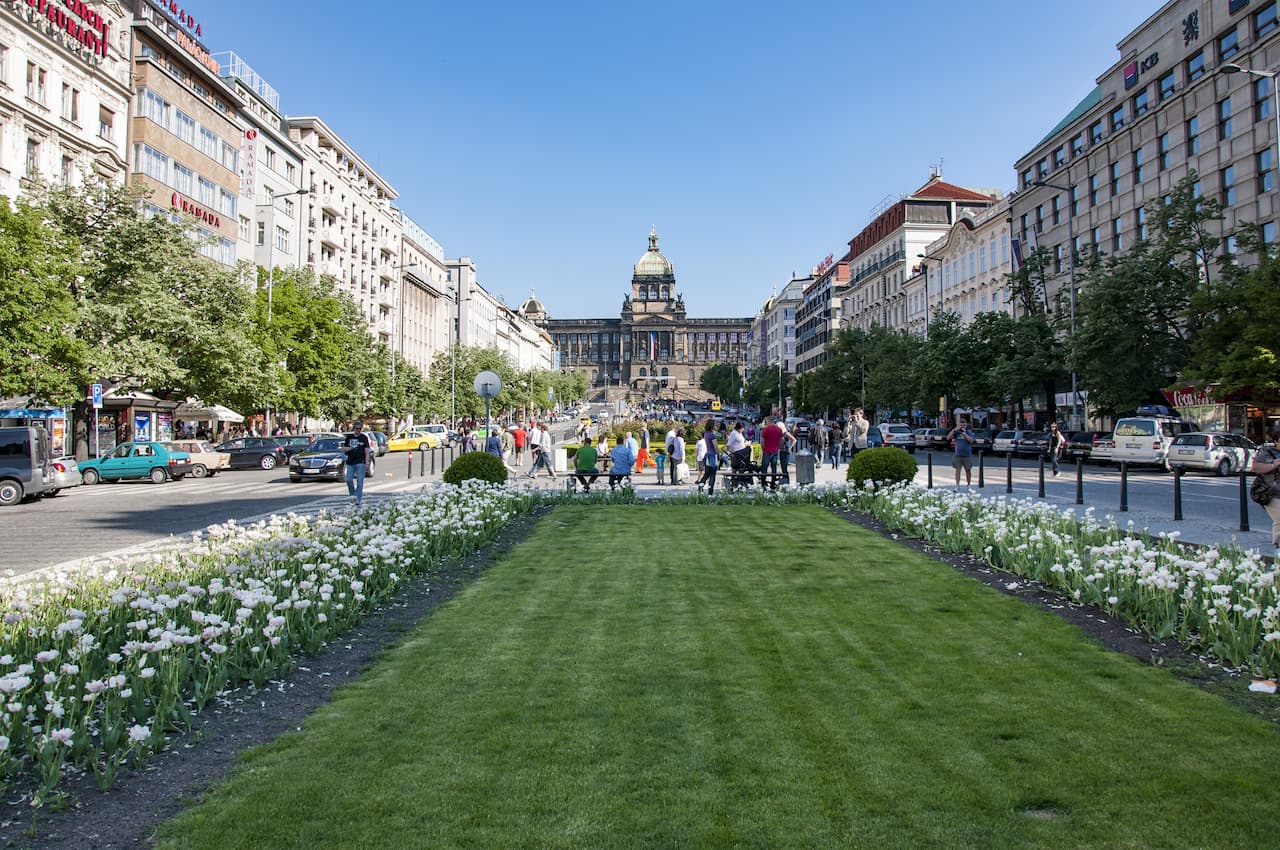
It is the beating heart of the New Town. Originally founded as a horse market, it is now a long artery lined with hotels, stores, restaurants and banks. At its top stands the imposing National Museum, housed in a 19th-century building, a cultural symbol of the Czech capital. Wenceslas Square was the stage for crucial events in the country’s history, including major demonstrations during the Velvet Revolution.
National Museum
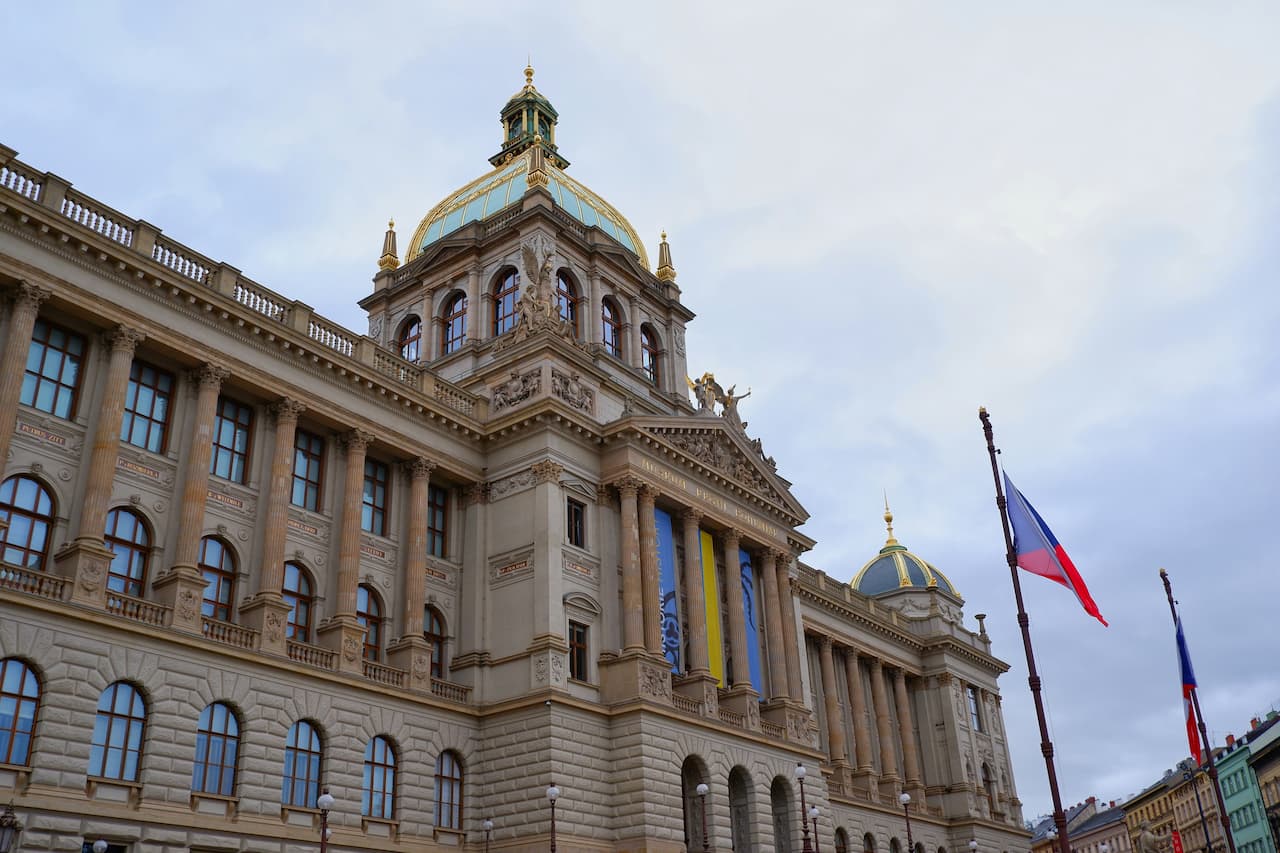
Founded in 1818 and located at the far end of Wenceslas Square, it is Prague’s most important museum, with collections ranging from natural history to archaeology to the decorative arts. The building, with its majestic neo-Renaissance façade, has recently been restored to further enhance the heritage housed in it.
Mucha Museum
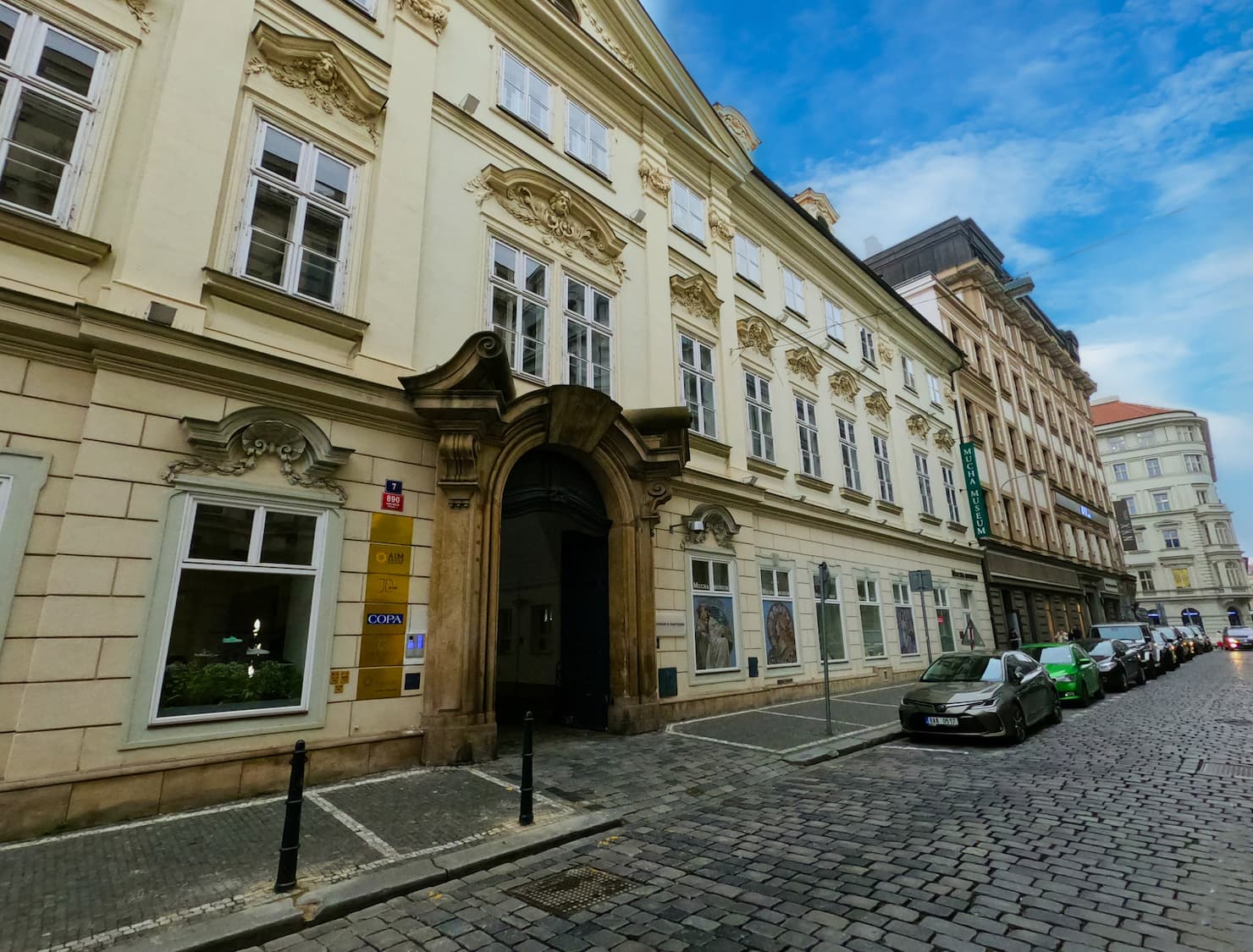
Dedicated to Alfons Mucha, celebrated Art Nouveau artist, it is located in the Kaunický Palace. It houses original posters, drawings, and documents that provide in-depth insight into the life and works of one of the greatest masters of European Art Nouveau.
Museum of Communism
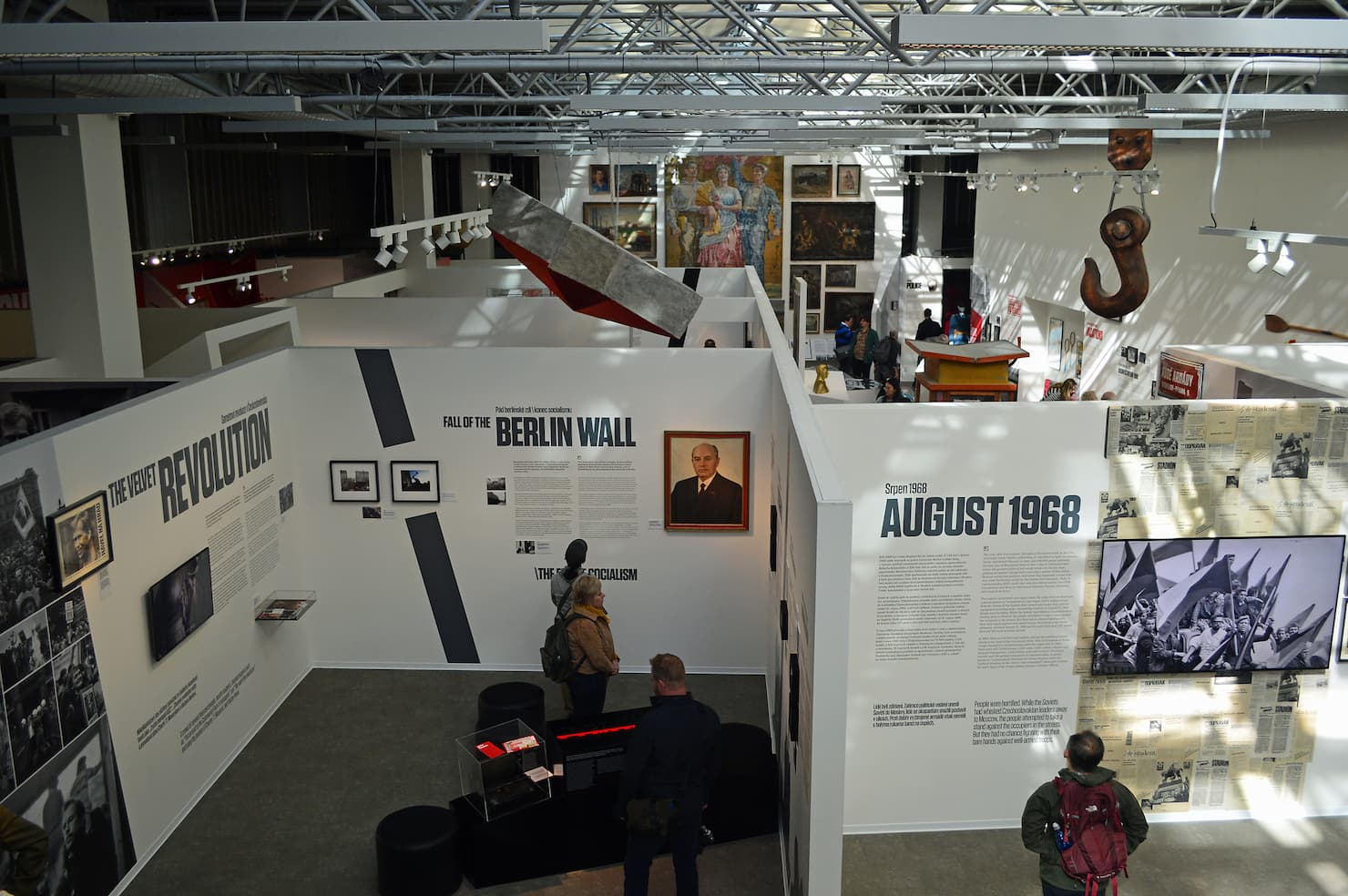
An exhibition tracing the history of Czechoslovakia under communist rule, from propaganda moments to popular uprisings and the fall of the wall. It offers a comprehensive picture of daily life at the time and the political tensions of the 20th century.
National Theater and Dancing House

Although the National Theater is often associated with the Staré Město area, its location abutting Nové Město makes it easily accessible. Built in the 19th century, it is a monument of the Czech cultural renaissance. A short distance away is the Dancing House (Tančící dům), a futuristic building designed by Frank Gehry and Vlado Milunić that has become one of the symbols of modern Prague, with its bold architecture resembling a pair of dancers.
Other stops not to be missed
- State Opera (Státní Opera), opened in 1945 and dedicated to major opera productions.
- Hotel Europa, a splendid example of the Art Nouveau style, built in 1906.
- Charles Square (Karlovo náměstí), one of the largest squares in Europe, home of the New Town Hall and the heart of historical events.
Useful information about the Nové Město district
Where to sleep in Nové Město
Nové Město offers a wide range of hotels and apartments. Many of the neighborhood’s buildings have been renovated and converted into upscale accommodations, including chain and boutique hotels within historic buildings.
Choosing to stay here means being within walking distance of major points of interest, with the convenience of public transportation always at hand.
Here are the main accommodations in which to stay in the neighborhood:
- Boutique Hotel Seven Days (approximately €200 per night): The interior is decorated in Italian neoclassical style, boasting rich colors and luxurious fabrics. Guest amenities include a gym, spa, hot tubs, a casual lobby bar, and an upscale restaurant for mouthwatering dinners.
- Hermitage Hotel Prague (120-200€ per night) beautiful hotel within walking distance of the Vltava River and Vysehrad Castle.
- H7 Palace (less than 120€ per night): Located a 5-minute walk from the National Museum. And offers free Wi-Fi and a cozy courtyard.
Where to eat in Nové Město
The area is teeming with restaurants, traditional pubs, and breweries. In the vicinity of Wenceslas Square, for example, you can find both restaurants serving Czech cuisine and international establishments. There is also no shortage of historic cafés, ideal for a relaxing break: here you can sample specialties such as guláš, knedlíky (bread dumplings), and the famous Czech beer.
Where it is located and how to get there
Nové Město encompasses the southern and eastern part of the Old Town, all the way to the banks of the Vltava River. To get there:
- Metro: lines A and C ( Muzeum stop), line B ( Můstek or Karlovo náměstí stop).
- Streetcar: numerous lines run through the area, especially along Wenceslas Square and surroundings.
- Walking: a 5-10 minute walk from Staré Město to Wenceslas Square is enough.
Frequently asked questions
The Old Town (Staré Město) represents the medieval core of the city, famous for its historic squares, Gothic and Baroque buildings, and winding alleys. The New Town (Nové Město), founded in 1348 by Charles IV, features wider avenues, large squares (such as Wenceslas Square), and a more modern layout, reflecting the expansion and evolution the city has undergone over the centuries.
It really depends on your interests. If you love the medieval atmosphere and want to be close to iconic sites such as the Astronomical Clock, the Old Town might be an ideal choice. If, on the other hand, you’re looking for a mix of modern comforts, central location, and easy access to both historical attractions and nightlife, Nové Město is a great option.
The New Town is home to important cultural and historical landmarks, including Wenceslas Square, the National Museum, and the State Opera, as well as modern shopping streets, restaurants, hotels, and cultural venues. It reflects a dynamic balance between ancient and modern, offering numerous attractions for history buffs, art lovers, and those who desire a lively urban atmosphere.
Why visit Nové Město?
Despite its more recent architecture than the Old Town, Nové Město is an essential neighborhood for understanding Prague’s historical evolution, from its medieval expansion desired by Charles IV to the major social revolutions of the 20th century.
The area combines major shopping streets, prominent cultural sites, and places symbolic of the country’s political changes. Choosing to stroll its streets therefore means immersing yourself in a mix of history and modernity, including 19th-century palaces, fascinating museums, typical restaurants, and futuristic corners such as the Dancing House.
Those who wish to discover a less traditional but equally fascinating face of the Czech capital will find Nové Město a must-see destination.


